
BlogAgri-Tech13 Sep 20266 min read
Starting Poultry in the North West: Your First Batch
Buy chicks or hatch your own, what a chick price spike really costs you, and how to brood a first batch that survives week one.
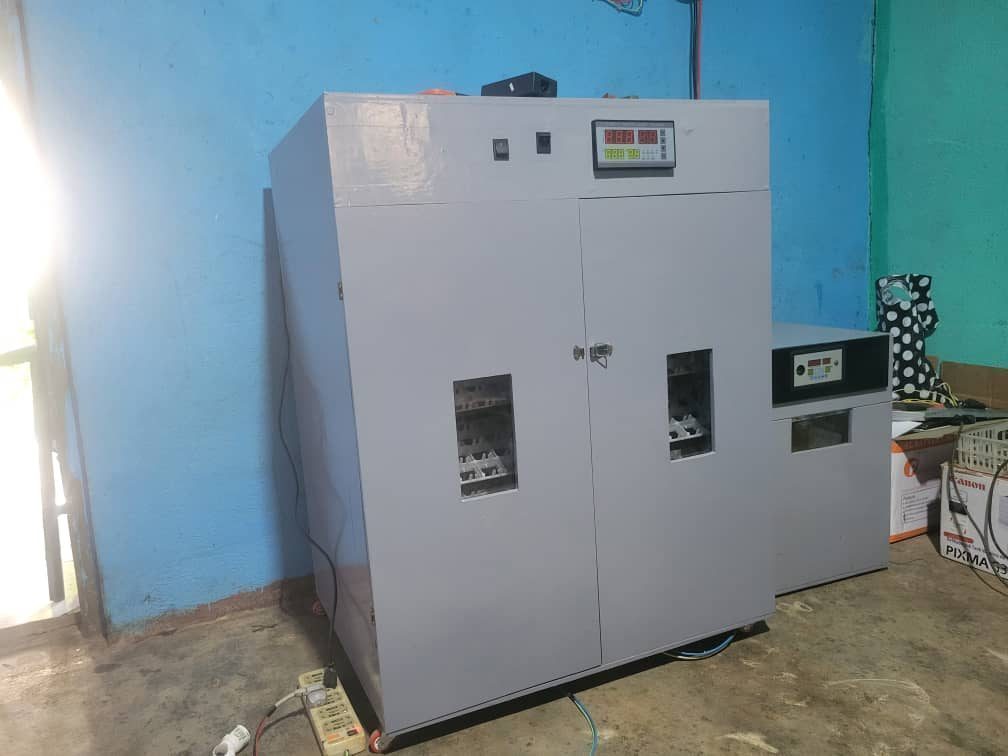
If you want to start poultry farming in Cameroon, your first real decision is not the breed or the feed brand. It is whether you buy day old chicks or hatch your own, because that one choice sets your cost base for every batch afterwards. Poultry is about 42 per cent of Cameroon's domestic meat production and roughly 4 per cent of GDP, employing around 320 000 people, and it has been growing at about 7 per cent a year since 2010. Demand is there. This post is about getting your first batch through the door without losing money on it, with the North West in mind.
The demand is real, and it is still rising
Between 2006 and 2016 poultry consumption per person in Cameroon rose from 2.2 kg to 5.6 kg, and egg consumption went from 16 to 52 eggs per person per year. National output was around 135 000 tonnes in 2015, from a flock of roughly 75 million birds counted in 2014. These are not small changes. They describe a market that has more than doubled per head within a decade, which is why so many people in Bamenda and Bafoussam are entering poultry at the same time.
That last point matters for you. When everybody enters at once, the bottleneck is not buyers. It is inputs, and in particular chicks.
Buying chicks versus hatching your own
Buying day old chicks is the obvious start. Somebody else carries the risk of fertility, incubation and the 21 days. You pay for that, and the price is not stable.
Day old chicks in the North West normally sell somewhere around 300 to 350 FCFA. During a shortage severe enough for government intervention, when 900 000 day old chicks were distributed to North West farmers, the open market price reached 600 FCFA. That is not a small premium. On a batch of 500 birds, the difference between 325 FCFA and 600 FCFA is around 137 500 FCFA, taken straight out of a margin you had already calculated.
Worse, a shortage does not just raise the price. It changes who you are willing to buy from. MIT D-Lab's fieldwork in Cameroon documents rural farmers relying on imported chicks that turn out infertile or of low quality, and a lack of off grid hatching options. When the good supplier has nothing, farmers buy from whoever has stock, and the mortality in that batch shows up three weeks later.
| Buying day old chicks | Hatching your own | |
|---|---|---|
| Cash up front | Low per batch, forever | One machine, then egg cost only |
| Cost per chick | 300 to 350 FCFA normally, up to 600 in shortage | Cost of a fertile egg plus power and labour |
| Timing control | You take what is available when it is available | You set eggs when your brooder is ready |
| Quality control | You inherit the supplier's problems | Yours to manage, and yours to fix |
| Skill needed | Brooding and rearing | Brooding, rearing, plus incubation |
| Main risk | Price spikes and bad batches | A batch lost to a power cut or a mistake |
The honest recommendation for a first timer is to buy chicks for your first two or three batches. Learn to brood before you learn to hatch. Adding incubation to a farm that cannot yet keep chicks alive in week one just moves the failure earlier.
Brooding, which is where first batches are won or lost
Chicks cannot regulate their own body temperature for the first weeks. Your brooder does it for them. Get this wrong and you will see the losses within ten days.
| Week | Temperature at chick level | What to watch |
|---|---|---|
| 1 | about 32 to 35 degrees Celsius | Chicks spread evenly under the heat source |
| 2 | reduce by about 3 degrees | Piling together means too cold |
| 3 | reduce by about 3 degrees again | Panting and hugging the walls means too hot |
| 4 onward | step down toward ambient | Feathering, activity, even feeding |
Read the chicks, not the thermometer. Chicks huddled in a tight ball are cold. Chicks pressed against the outer edges of the ring, wings out and panting, are too hot. Chicks bunched to one side are in a draught. Chicks spread evenly, eating, drinking and making a contented noise, are right.
The rest of week one is unglamorous and decisive:
- Water before feed. Chicks arrive dehydrated, particularly after a long trip by transport agency. Clean water, at their height, from the first minute.
- Dry litter. Wet litter is the start of most disease problems. Change it, do not just add more on top.
- Space. Crowding kills. Expand the brooder ring as they grow.
- Draught protection. A brooder in a drafty room will not hold temperature during a cold Bamenda night.
- Backup heat. ENEO rationing does not pause for your brooder. Plan how you keep chicks warm during an outage before the chicks arrive, not during the outage.
- Vaccination schedule. Get it from your supplier or a local vet and follow it. Skipping this is how a farm loses everything in one week.
Working out when an incubator pays for itself
People ask us to tell them the payback period. We cannot, because it depends on numbers only you have. What we can give you is the method, which you can run on a sheet of paper in ten minutes.
- Batches per year. 21 days of incubation plus three or four days to clean and reset is roughly one batch a month, so use 11 or 12.
- Chicks per batch. Machine capacity multiplied by the hatch you realistically expect, counted on eggs set rather than fertile eggs. Do not use the seller's advertised percentage. Our guide to what hatch rate to actually expect explains the difference.
- Value per batch. Chicks per batch multiplied by what a day old chick is worth to you. If you are selling, use the market price. If you are hatching for your own farm, use what you would otherwise have paid, which is the price you avoid.
- Cost per batch. Fertile eggs, electricity or fuel, your own labour, and a realistic allowance for a batch that goes wrong.
- Margin per batch. Value minus cost. Multiply by batches per year for the annual figure.
- Payback. The quoted price of the machine divided by that annual margin.
Then run the whole thing twice, once at 300 FCFA a chick and once at 600. The gap between those two answers is the real argument for owning a machine, because an incubator is worth most in exactly the season when chicks are scarce and expensive, which is also the season your neighbours cannot buy any.
We do not publish incubator prices, because capacity, turning mechanism and solar readiness change the figure. Send us your specification and you get a real number within 24 hours to put into step six. What drives that number is explained in egg incubator prices in Cameroon, and sizing is covered in how to choose an egg incubator.
A sensible first year
Start with a batch you can afford to lose. Keep written records of mortality by week, feed used and what you sold, because after three batches those records will tell you more than any advice. Sell locally first, build the buyers, and only then scale the flock. When your brooding is reliable and you are tired of paying whatever the chick sellers ask, that is the moment an incubator makes sense.
When you are ready to hatch
Message us on WhatsApp with your flock size and your power situation and we will quote a machine in 24 hours. Payment by MTN MoMo or Orange Money, delivery by transport agency with a waybill. Everything we build is on the services page.
Questions people ask
Should I buy day old chicks or hatch my own to start?
Buy chicks for your first two or three batches. Learn to brood before you learn to hatch. Adding incubation to a farm that cannot yet keep chicks alive in week one only moves the failure earlier in the cycle.
How much do day old chicks cost in the North West?
Normally somewhere around 300 to 350 FCFA. During the shortage that led to 900 000 chicks being distributed to North West farmers, the open market price reached 600 FCFA. On 500 birds that swing is roughly 137 500 FCFA off your margin.
What temperature should a brooder be?
About 32 to 35 degrees Celsius at chick level in week one, stepping down roughly 3 degrees a week until you reach ambient. Read the chicks rather than the thermometer. Tight huddling means cold, panting at the walls means hot, bunching to one side means a draught.
How do I work out whether an incubator will pay for itself?
Batches per year, about 11 or 12. Chicks per batch, capacity times a realistic hatch on eggs set. Value per batch, chicks times chick price or the price you avoid paying. Subtract eggs, power and labour. Multiply by batches per year, then divide the machine quote by that figure. Run it at both 300 and 600 FCFA a chick.
What kills most first batches?
Week one brooding. Dehydration after transport, wet litter, crowding, draughts and heat lost during an ENEO outage. Plan your backup heat before the chicks arrive, not while the power is off.
Is there still room in the poultry market in Cameroon?
Consumption per person rose from 2.2 kg to 5.6 kg between 2006 and 2016, and eggs from 16 to 52 per person per year, with the sector growing around 7 per cent annually since 2010. The constraint for new farmers is usually input supply, not buyers.