
BlogAgri-Tech13 Sep 20267 min read
What Hatch Rate Should You Actually Expect?
Two different percentages hide behind the phrase hatch rate, and sellers quote the flattering one. Here is how to count your own.
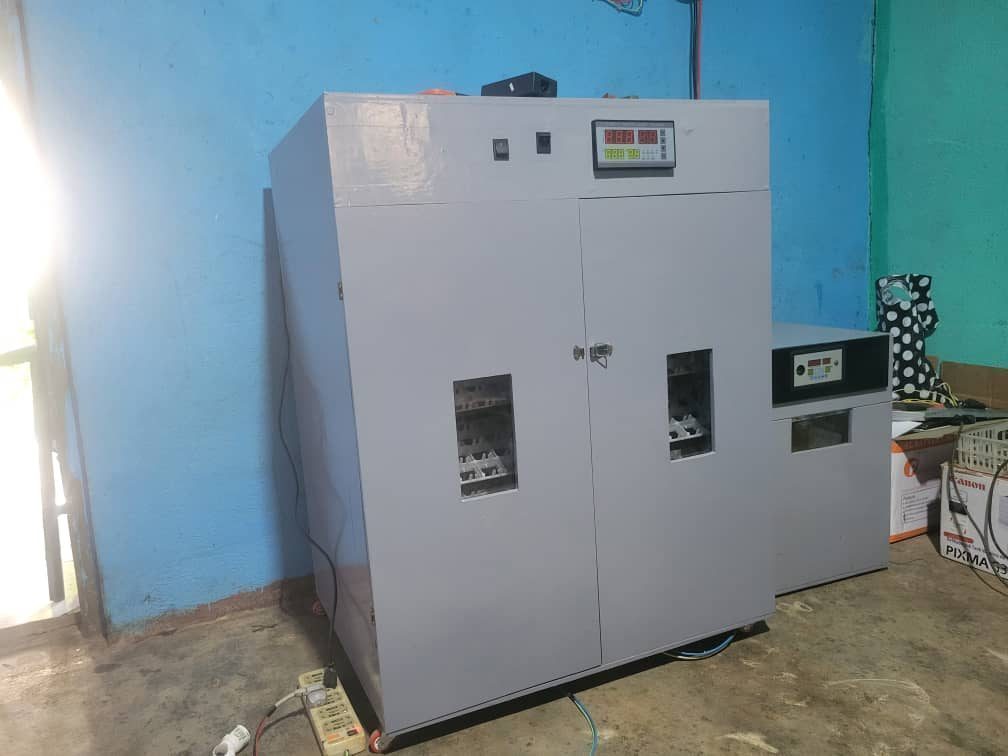
What hatch rate should you expect? Lower than the advert, and the number depends far more on your eggs than on your machine. An imported incubator advertised in Douala at 370 000 FCFA claims a 90 per cent hatch rate. That claim is not a lie exactly, but it is not a promise either, and it is not measuring what you think it measures. Before you judge any incubator, including ours, you need to understand what a hatch rate actually is and which of the two possible numbers somebody is quoting you.
The two numbers hiding behind one word
Every hatch produces two different percentages, and sellers quote whichever is higher.
- Hatch of eggs set. Chicks hatched divided by every egg you put in the machine. This is the number that matters to your pocket, because you paid for all of them.
- Hatch of fertile eggs. Chicks hatched divided by the eggs that were actually fertile. This number is always higher, and it is the only one that says anything about the incubator.
Here is the arithmetic, with a worked example so you can see how far apart they sit. Suppose you set 100 eggs and, when you candle on day 7, 80 of them are developing. Twenty were never fertile. Of those 80, suppose 68 hatch. Your hatch of fertile eggs is 85 per cent. Your hatch of eggs set is 68 per cent. Same batch, same machine, same day. One number sells incubators and the other one pays your bills.
These are illustrative figures to show the method, not measured averages. The point is that you must always ask which number is being quoted, and you must count your own batch both ways.
Fertility is decided before the egg reaches the machine
An incubator cannot make an infertile egg hatch. Nothing can. Fertility is set by the breeding flock, and it is where most of the loss actually happens on small farms in the North West.
- No cockerel, no chicks. Eggs from a layer house are not fertile. This defeats more first batches than any technical fault.
- Ratio and age of the cockerel. Too few cockerels for the number of hens, or birds past their prime, and fertility drops even though the eggs look perfect.
- Flock health and feed. Sick or badly fed birds produce fewer fertile eggs and weaker embryos.
- Where you bought the eggs. MIT D-Lab's work in Cameroon records rural farmers dealing with imported chicks that are infertile or of low quality. The same problem exists one step upstream, in hatching eggs bought from a source nobody can vouch for.
Egg storage, the silent killer
Fertile eggs lose hatchability from the day they are laid. The embryo is alive and slowly running down. How you hold eggs between collection and setting is the single largest thing under your control, and it costs nothing to do correctly.
| Handling | Do this | Why it matters |
|---|---|---|
| Age at setting | Set within a week of laying where you can | Hatchability falls steadily with every day of storage, and falls faster in heat |
| Storage temperature | Cool room, out of direct sun, never a refrigerator | Warm storage starts development then stalls it. A fridge is far too cold |
| Position | Pointed end down, turned once a day while stored | Stops the yolk settling against the shell membrane |
| Cleanliness | Use clean eggs. Do not wash them | Washing removes the natural cuticle and drives bacteria in through the pores |
| Shape and shell | Reject cracked, very large, very small or odd shaped eggs | They hatch poorly and can explode and contaminate the whole cabinet |
| Transport | Pack properly, rest eggs several hours before setting | Rough transport on Cameroonian roads damages the air cell |
If you bought hatching eggs and they travelled by transport agency, expect a lower result and plan for it. That is a transport effect, not an incubator fault.
Candling tells you where the loss happened
Candling means shining a bright light through the shell in a dark room to see what is inside. It is how you turn a disappointing hatch into information you can act on. Do it at two points.
- Around day 7. A developing egg shows a dark spot with a spider web of blood vessels spreading out. A clear egg is infertile. A ring of blood means the embryo started and died. Remove clears and blood rings. This is your fertility measurement.
- Around day 14 to 18. The egg should be mostly dark with a clear air cell at the blunt end. Remove anything that has stopped developing. After day 18, stop opening the machine.
Candling is diagnostic, and the diagnosis points at completely different fixes.
- Many clear eggs at day 7. The problem is your breeding flock or your egg source. The machine is innocent.
- Good development at day 7 but deaths between day 7 and day 18. Look at temperature stability, turning and power cuts.
- Fully formed chicks dead in the shell at day 20 or 21. Usually humidity in the last three days, or ventilation, or the machine being opened during hatching.
- Chicks pipping the shell then dying. Classic sign of humidity too low at hatch, so the membrane dried into leather.
Write these counts down for every batch. Four batches of honest records will tell you more about your operation than any seller's claim.
What a good machine is actually responsible for
An incubator is responsible for a narrow set of things: holding temperature steadily, holding humidity in the right band and raising it for hatching, moving air evenly, turning the eggs until day 18, and telling you when something has gone wrong. The Cameroonian prototype documented in PLOS ONE in May 2025 held 37 to 38 degrees Celsius and 68 to 75 per cent relative humidity, which is the sort of specification you should be judging against. Notice that the paper reports conditions held, not a marketing hatch percentage. That is the honest way to describe a machine.
Everything else, fertility, egg age, storage, flock health, is yours. Which is why we will not print a hatch rate on our machines. We will tell you what conditions they hold and what alarms they have. The conditions are the part we control.
Check your thermometer before you blame anything else
A surprising number of hatch problems are measurement problems. The display on the front of the cabinet reports what the sensor believes, and a sensor sitting in the wrong place, or reading a degree high, will quietly cook or chill a batch while the screen looks perfect. Half a degree wrong across 21 days is enough to shift the whole hatch.
Do two things before your next batch. Put a second, separate thermometer inside at egg level, in the middle of a tray, and compare it against the display for a full day. Then move it to the corners and the top and bottom shelves and compare again. A machine with poor air circulation can hold a degree or more of difference between the middle tray and the edge, and that difference alone will give you a hatch spread over three days instead of one, with the late chicks weaker.
If the readings disagree, the fix is calibration or a sensor position change, not a new incubator. We check this on every machine we build and on every machine somebody brings in complaining of poor hatches. It is the first thing to rule out, and it is free.
Judging a seller by the claim
When somebody quotes you 90 per cent, ask four questions. Ninety per cent of eggs set or of fertile eggs? Measured over how many batches? Whose eggs, and how old were they at setting? Was the power stable throughout? A seller who answers those honestly is worth buying from. A seller who repeats the number louder is selling you a number.
For the machine side of this, read how to choose an egg incubator, and for what outages do to a batch mid cycle, why incubators fail in power cuts.
Ask us the honest question
If you are getting poor hatches, send your candling counts on WhatsApp and we will tell you whether it is your eggs or your machine. Quotes for a new machine come back in 24 hours, and everything we build is listed on the services page. You can also reach us through the contact page.
Questions people ask
Is a 90 per cent hatch rate claim realistic?
Ask which number it refers to. Hatch of fertile eggs is always much higher than hatch of eggs set, and only the second one reflects what you paid for. Also ask over how many batches it was measured, whose eggs were used and how old they were at setting.
How do I know whether the problem is my eggs or my incubator?
Candle around day 7. Many clear eggs means infertile eggs, so the problem is your breeding flock or egg source. Good development at day 7 followed by deaths later points at the machine, at turning or at power cuts.
How long can I store eggs before setting them?
Set within a week of laying where you can. Hatchability falls with every day of storage and falls faster in heat. Store them in a cool room out of direct sun, never in a refrigerator, pointed end down, and turn them once a day.
Should I wash dirty hatching eggs?
No. Washing removes the natural cuticle on the shell and drives bacteria in through the pores. Select clean eggs instead and reject cracked, very large, very small or odd shaped ones.
Why do chicks die in the shell at day 20 or 21?
Usually humidity in the final three days, ventilation, or the door being opened during hatching. Chicks that pip the shell and then die are the classic sign of humidity being too low, which dries the membrane into leather they cannot cut.
When should I candle?
Twice. Around day 7 to remove clear eggs and blood rings and measure fertility, and around day 14 to 18 to remove anything that has stopped developing. After day 18 leave the machine closed.