Power systems · 20 Jul 2026 · 4 min read
A zone-based approach that tells the crew what failed and roughly where — by SMS, in seconds.
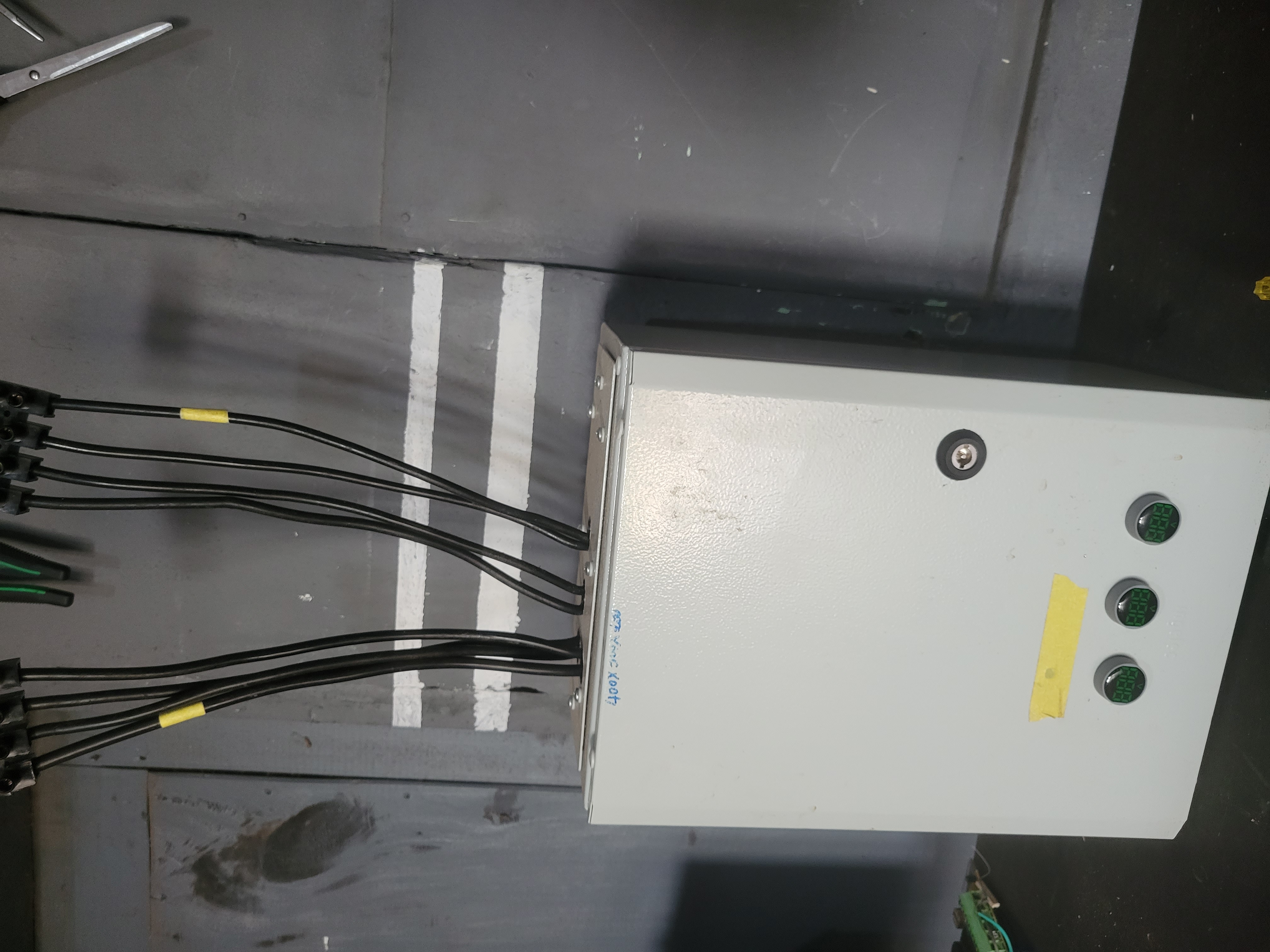
When a feeder faults, most protection systems do exactly one useful thing: they cut the supply. That keeps people safe, but it leaves the maintenance crew with a question and no answer — where is the fault? On a long distribution feeder, finding it can mean hours of walking the line while everyone downstream sits in the dark.
Traditional protection is binary. There is a fault, so it trips. It does not tell you the fault type, which phase is affected, or how far down the line the problem sits. All of that has to be worked out afterwards, by hand, under pressure.
Our zone-fault-location monitors voltage, current, power, power factor and frequency across all three phases. When a fault occurs it classifies the fault type, identifies the affected phase, and estimates the fault zone using a zone-based detection method. It isolates only the faulty phase, keeps the healthy phases energised, logs everything to an SD card with timestamps, and immediately sends the crew an SMS containing the fault type, location and the electrical measurements — all shown live on a 16×4 LCD.
Knowing the fault type and zone the instant it happens turns a guessing game into a directed repair. Crews go straight to the right stretch of line instead of searching it end to end. Combined with phase-selective isolation, the network keeps more of itself alive while the fault is fixed. For feeders serving factories, campuses and hospitals, that is the difference between a short interruption and a long one.
Related projects
3-Phase Fault Detection & Zone-Based LocationWant something like this built?
Tell us what you need — from a final-year project to a deployed protection system.