Power systems · 24 Jul 2026 · 5 min read
Why NestX builds protection that drops only the faulty phase — and keeps the hospital’s lights on.
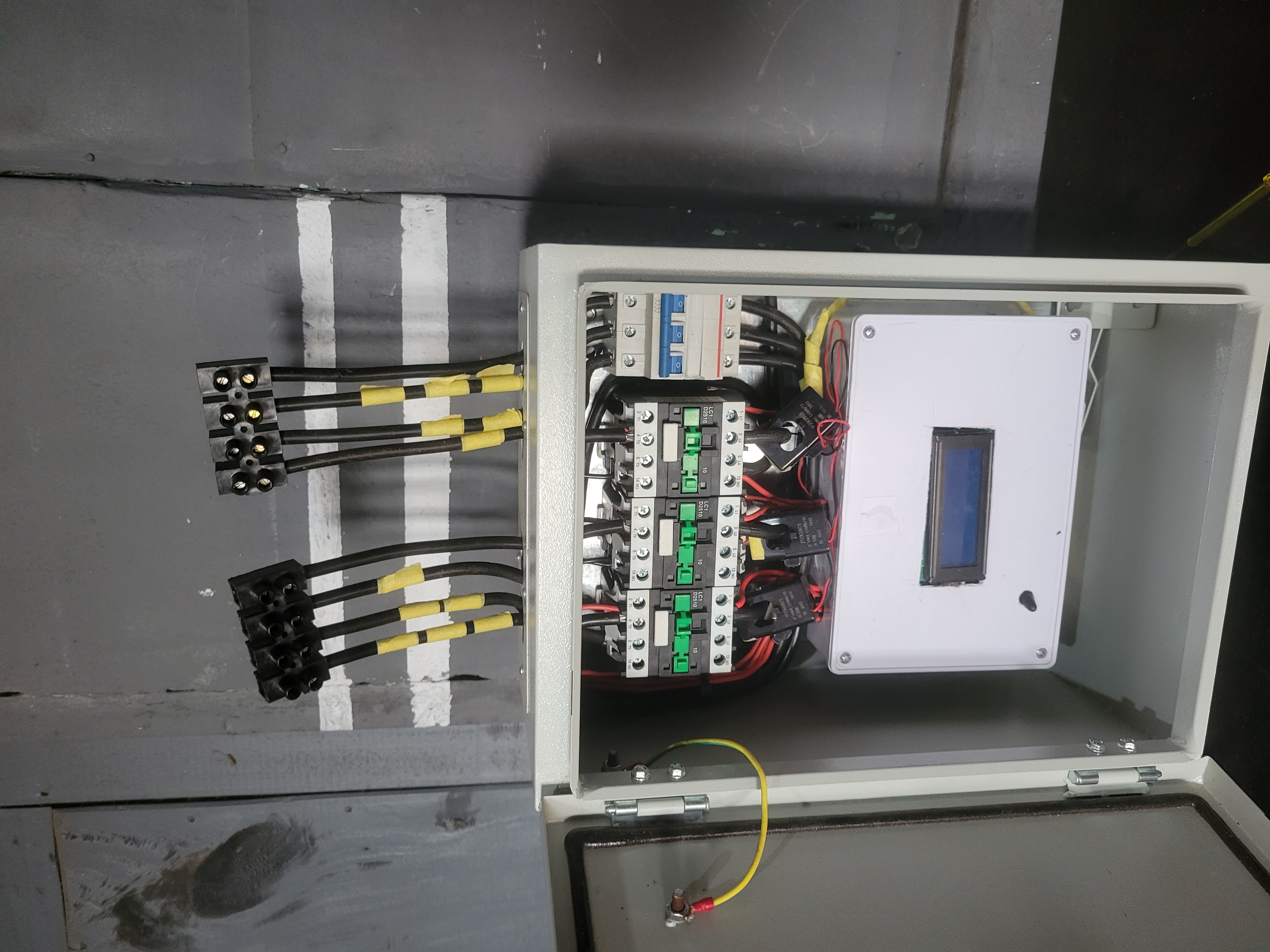
The instinct in power protection is simple: at the first sign of trouble, cut everything. It is safe, and it is easy to build. But when a single distribution transformer feeds a hospital on one side and a busy market on the other, tripping all three phases to clear a fault on just one of them punishes everyone equally — including the people who can least afford to lose power.
Across several of our student and field projects, NestX has been building a different answer: protection that is precise instead of blunt.
Conventional protection treats a three-phase transformer as a single unit. A fault on one phase — an overload, a short, an earth fault — and the whole transformer is disconnected. The faulty phase is dealt with, but the two healthy phases go down with it. For a hospital, that can mean theatre lights, incubators and cold storage all failing because of a problem on a phase they were not even drawing from.
Our protection systems monitor each phase independently. They measure voltage, current, power and frequency continuously, detect and classify the fault, identify exactly which phase is affected, and then open only that phase. The healthy phases stay energised. On the transformer load-shedding system, the same principle sheds only the overloaded phase as the transformer nears its safe limit — protecting the equipment without cutting essential supply.
Getting this right is not trivial. The controller has to be sure a fault is real before it acts, confirm dangerous back-feeding after isolation, and log every decision with a timestamp so maintenance can see exactly what happened. Our builds do all of this on an Arduino Mega, with GSM SMS alerts so a crew knows within seconds.
In much of Cameroon, backup power is expensive and grid outages are common. Every avoidable outage pushes a clinic onto a generator, or into darkness. Keeping the healthy phases live is not a nicety — it is the difference between a facility running and stopping. Selective isolation squeezes more availability out of the same infrastructure, which is exactly what a stretched network needs.
That is the thread running through this family of projects: protect the equipment, but never take down more of the network than the fault actually requires.
Related projects
Priority Transformer Fault Detection & Selective Isolation 3-Phase Transformer Load Shedding & Protection 3-Phase Fault Detection & Zone-Based LocationWant something like this built?
Tell us what you need — from a final-year project to a deployed protection system.