Power systems · 22 Jul 2026 · 4 min read
Voltage-only phase selectors can move a load straight into a new overload. Here’s how we switch smarter.
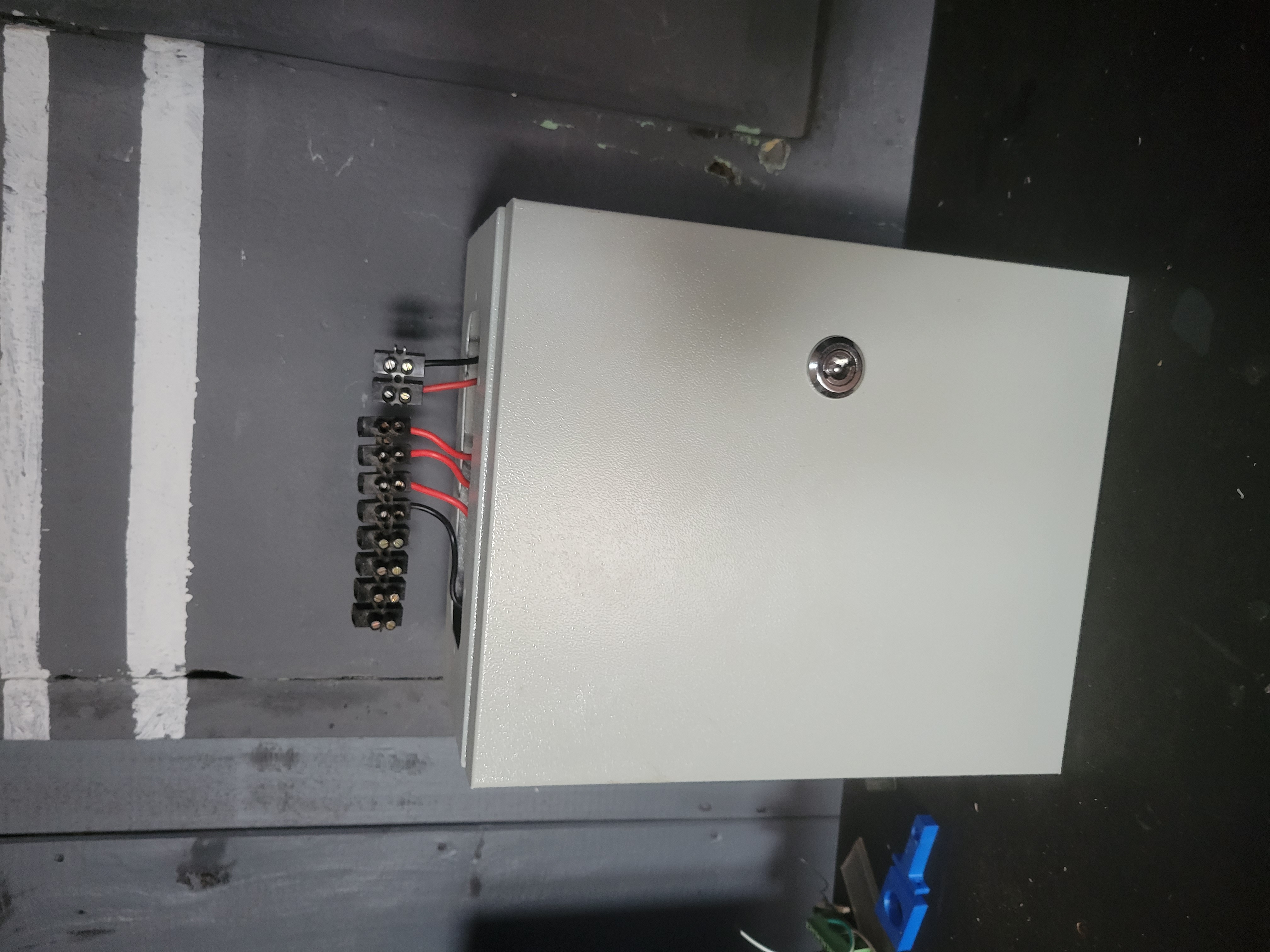
Automatic phase selectors are common: when the phase a consumer is on looks unhealthy, the selector moves them to another one. Useful — until you look at how the decision is made. Most selectors switch on voltage availability alone. They see a phase that has voltage and move the load onto it, with no idea how heavily that phase is already loaded.
The result is a familiar failure: the selector solves one consumer’s problem and quietly creates a new overload on the destination phase.
Voltage tells you a phase is alive. It does not tell you how much headroom it has. On a distribution network where load shifts through the day, a phase that is fine at noon can be near its limit by evening. Switching on voltage alone is switching with your eyes half closed.
Our Smart Three-Phase Load Monitoring and Automatic Phase Balancing System measures voltage, current, power, energy, frequency and power factor on all three phases and measures the protected load’s own draw. Before it moves anything, it predicts the effect of adding that load to each candidate phase. Only then does it choose the healthiest phase — one that will still be healthy after the transfer. Unsafe phases are isolated, every abnormal event is logged, and the operator sees live figures on a 20×4 LCD.
Utility networks, commercial buildings, hospitals and telecom sites all suffer when phases drift out of balance: equipment runs hot, capacity is wasted, and outages multiply. Predictive balancing keeps the three phases even, protects connected equipment, and improves continuity — with far less manual intervention from the maintenance team.
It is a small shift in logic with a big consequence: stop reacting to voltage, start reasoning about load.
Related projects
Smart 3-Phase Load Monitoring & Auto Phase-BalancingWant something like this built?
Tell us what you need — from a final-year project to a deployed protection system.