BlogCustom Hardware3 Aug 20264 min read
From idea to prototype: building a hardware product in Cameroon
How students and startups turn a concept into a working prototype - locally, without importing a factory.
Every hardware product starts as a sketch on paper. Getting from there to something you can hold and test is where most ideas stall. Here is the path we walk with students and startups.
1. Brief and design
We start from your sketch, photo or description and turn it into a proper CAD model - the digital blueprint everything else is built from.
2. Fabricate
We make the physical parts on the right machine - 3D printing for complex shapes, CNC for strong parts, laser for flat and engraved pieces.
3. Electronics and assembly
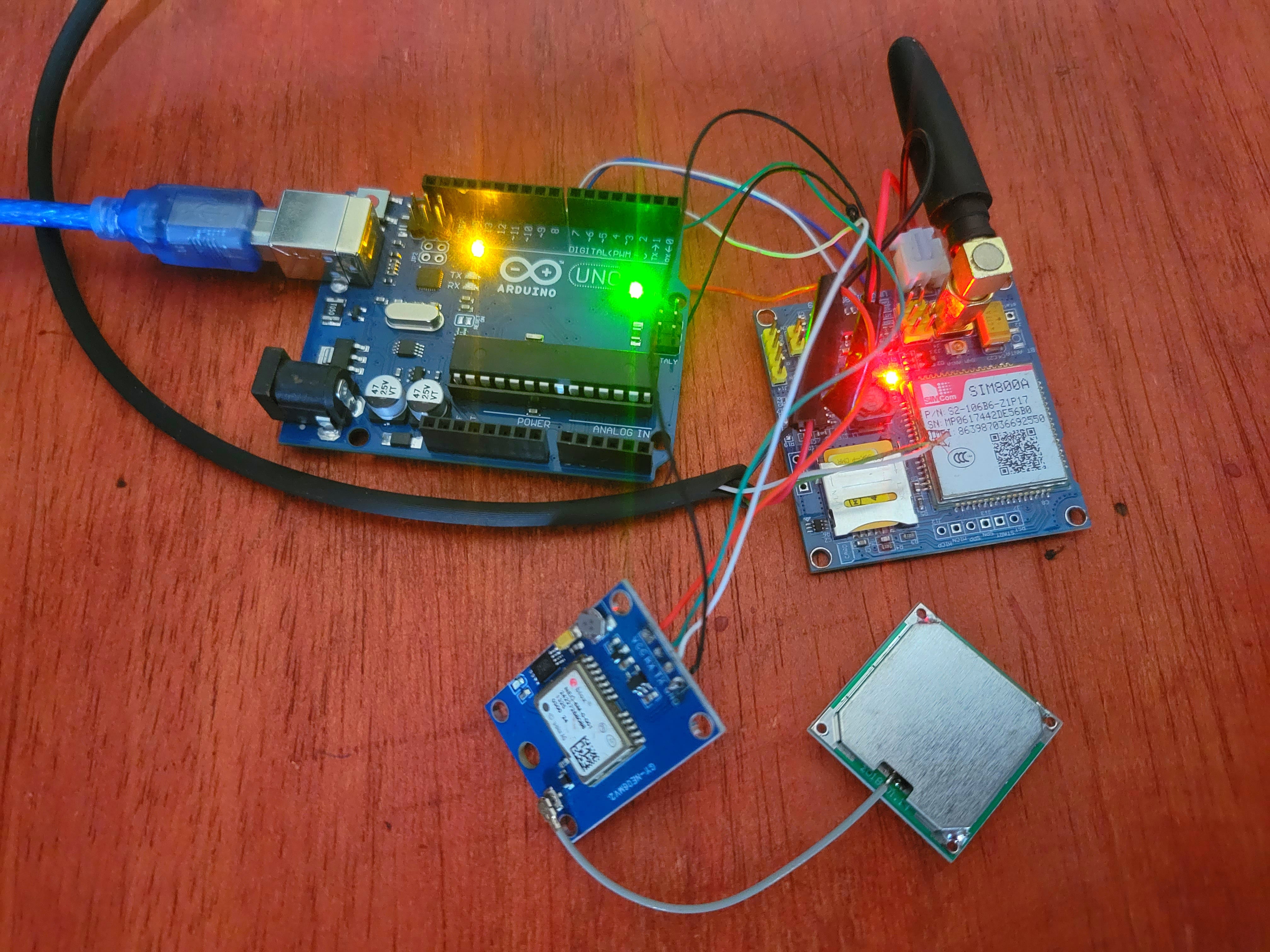
For smart products we add the electronics - sensors, microcontrollers, wiring - and assemble a working unit, not just a shell.
4. Test and iterate
You test it, we refine it. Being local means iterations take days, not shipping cycles - which is exactly why final-year projects and early startups get across the line here.
Questions people ask
Do you help final-year students?
Yes - helping students design, build and prepare their final-year defence prototypes is one of the things we do most.
Can you build the electronics too?
Yes. We work with sensors, microcontrollers (Arduino and similar), GSM modules and more - we build working units, not just enclosures.
How many iterations does a prototype take?
It varies, but because we are local each round is fast. We plan iterations into the timeline so there are no surprises.