Hardware · 18 Jul 2026 · 4 min read
Consistent exposure times and less manual handling — lab automation a small clinic can afford.
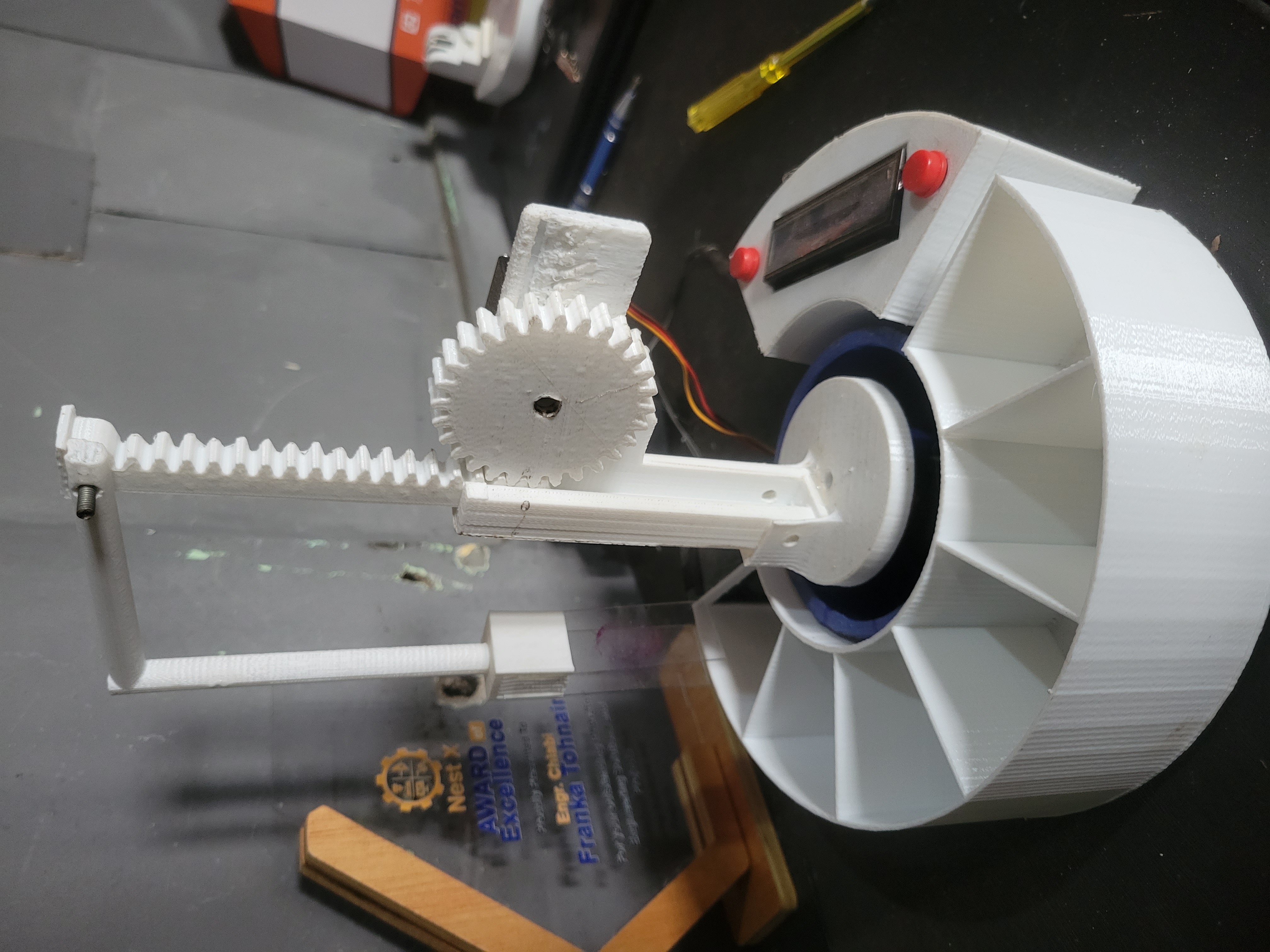
Slide staining is one of those lab tasks that looks simple and quietly isn’t. Get the exposure times right and consistent, and your results are reliable. Let them drift — a few seconds here, a distracted technician there — and the quality of what you see under the microscope drifts with them.
Manual staining depends on a person watching a clock through a repetitive, multi-step process. Between technicians, and even between runs by the same technician, exposure times vary. In microbiology, pathology and clinical labs, that inconsistency is not cosmetic — it affects diagnosis.
Our microscope-slide-staining takes the timing and handling out of human hands. An Arduino Uno coordinates the whole cycle. A high-torque servo rotates the slide holder to align it with each staining basin, while a second servo on a rack-and-pinion lift lowers and raises the holder with precise, repeatable motion. It supports two protocols at the push of a button — Gram staining with three reagents, and a four-step germ stain with four — using four reagent basins, a single shared rinse and a drying chamber with an exhaust fan. Returning the slide to the same rinse basin after each step keeps the machine compact and easy to maintain.
Automated, repeatable staining means results you can trust and technicians freed for work that actually needs a human. Just as importantly, it is built to be affordable and maintainable locally — the kind of automation a small Cameroonian lab can own and keep running, not just admire in a brochure.
Related projects
microscope-slide-stainingWant something like this built?
Tell us what you need — from a final-year project to a deployed protection system.