Digital Fabrication · 5 Aug 2026 · 4 min read
A plain-language guide to picking the right fabrication method for what you are making.
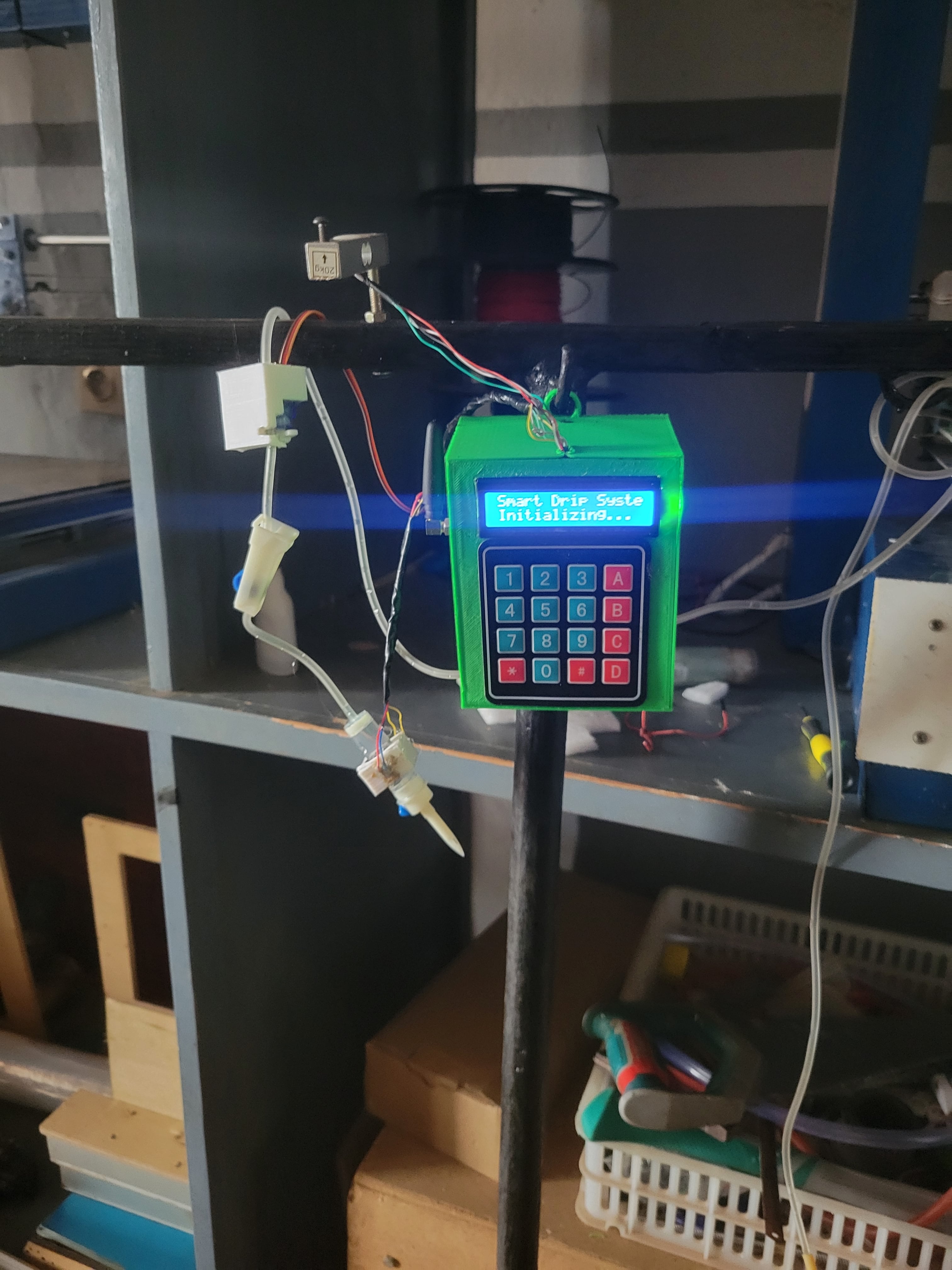
Three machines, three jobs. Choosing the right one saves you money and gives a better result. Here is the short version.
Best for plastic parts with curves, hollows or intricate geometry: enclosures, brackets, prototypes, replacement parts. Great for one-offs and design iterations.
Best when you need strength or a specific material: cutting and 3D-carving dense wood, panels and thicker stock. Stronger than a print for load-bearing parts.
Best for flat sheet work: signage, panels, gaskets and engraving on wood, acrylic, leather and fabric. Fast and extremely clean-edged.
Tell us what the part needs to do — strong, light, detailed, cheap, fast — and we will recommend the process (or combine two). That advice is free.
Frequently asked questions
It depends on the part. Flat pieces are usually cheapest on the laser; complex 3D shapes on the printer; strong solid parts on the CNC. We quote the most cost-effective route.
Generally CNC from solid material, or a 3D print in an engineering filament. We will match the method to the load the part must carry.
Yes — many finished products use several: a CNC or laser-cut body with 3D-printed fittings, for example.
Explore
Our fabrication services Product galleryReady to make it?
A file, a photo or a sketch is enough to get a quote.